
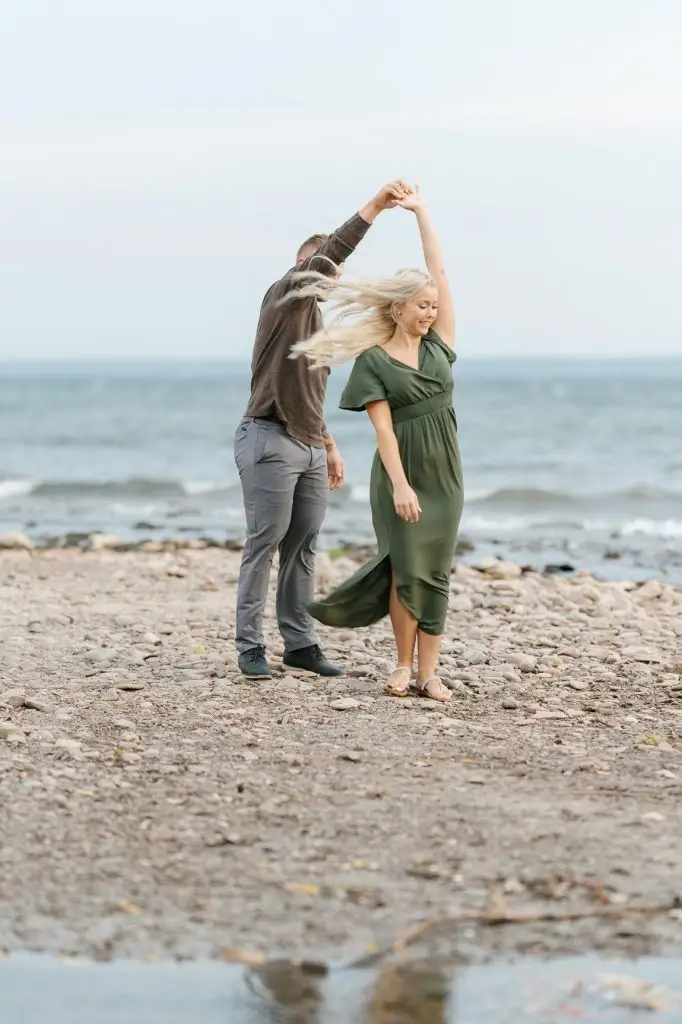
Getting great visuals during a wedding is expected, but what many don’t realize is how much thought goes into recording clear, crisp audio—especially outdoors. Sounds of nature, wind, distant traffic, or guests whispering can easily interfere. As wedding videographers in Toronto, we plan carefully to make sure vows, speeches, and music sound just as good as they look.
Understanding the Environment Comes First
Outdoor audio always starts with location awareness. Each venue has different sound challenges. We always begin by listening to the natural environment during the setup. For instance, beaches can be beautiful but bring constant wave noise. Garden ceremonies are peaceful but can be affected by chirping birds or buzzing insects.
Before placing any gear, we identify the closest noise sources and think about what might change during the ceremony. If wind picks up or a nearby generator starts humming, we already have a backup. We also scan for hard surfaces that can reflect sound poorly. Working with a professional wedding videography team in Toronto means making these decisions early, not after reviewing the footage.
Microphone Placement Matters Most
Choosing the right microphone is important, but where we place it is even more critical. For outdoor vows, we always prefer clip-on lavaliers. These tiny mics attach directly to the officiant and both partners, allowing us to record close-up voices while blocking out distant noise.
Even if the couple uses a sound system, we avoid relying on the speaker feed. Instead, we record directly from the mic source. That is to say, we plug into the mixer or bring our own audio recorders. This way, we capture the raw sound at the source, not the version bouncing around the venue.
It’s also essential to keep the mic discreet. While our focus is on quality, we never want gear to distract from the moment. We secure cables under clothing and test placement so wind won’t ruffle lapels or dresses against the mic.
Always Use Wind Protection
Wind can destroy audio instantly. We’ve heard recordings ruined by one gust that blew straight into a mic. To prevent this, we always use foam covers on lavaliers and furry windscreens on boom or shotgun mics. These aren’t bulky and don’t ruin the look, but they save the sound.
Sometimes, even the best wind protection isn’t enough. If we expect wind to be an issue, we set up a small directional mic that points away from the wind. This approach captures what’s in front of it while blocking side noise. Additionally, we might shield the mic with a simple body position or use a handheld unit tucked in a flower arrangement.
There are also rare cases where we record backup audio on two mics at once—one exposed and one hidden—so we have options later. This technique has saved us more than once during outdoor celebrations.
Redundancy Is Part of Every Setup
We never count on just one source. Outdoor weddings bring too many unknowns, so we record from at least two different mics. Typically, we use lavaliers plus a hidden recorder at the altar or on a nearby object. If one source clips or picks up static, we have a clean track ready.
In some weddings, we even place a small recorder under flower petals or in the officiant’s book. This helps us blend audio if any one mic cuts out. Our editing software allows us to sync and clean up these tracks afterward.
For us, having multiple audio feeds isn’t just smart—it’s required. Good audio from one mic is helpful, but clean audio from two or more gives us freedom in post-production.
Syncing Audio in Post-Production
After the ceremony, we bring all those sources together. We carefully align each audio file to the video timeline. Sometimes, we find tiny bits of sound we didn’t hear live, like a guest laughing or a sniffle during vows. When synced properly, those details can become the emotional highlights of the film.
We use tools that let us match the waveforms from different recorders and clean up background noise without damaging voices. This is the stage where all the preparation pays off. Even if wind buzzed or a mic brushed against a suit, we can often smooth it out.
By the time couples hear their final video, they rarely realize how much editing went into the sound. But that’s the point. It should sound effortless—even if it took hours of work behind the scenes.
Working With Other Vendors
Smooth sound requires coordination. We always speak with the DJ, planner, and officiant before setting up. If there’s a microphone already in use, we ask to plug into their mixer or use a splitter. This avoids feedback issues or surprise volume spikes.
At the same time, we explain where our mics will be and make sure they don’t get in the way. For instance, we avoid placing recorders near speakers or inside floral arrangements that will be moved.
By keeping everyone informed, we reduce the chances of audio surprises. These small steps protect the ceremony flow and help us capture the best sound possible without interfering.
Outdoor Audio Changes with the Season
Sound changes depending on the time of year. In warmer months, we deal more with insect noise and guests fanning themselves or shifting on chairs. During early spring or late fall, dry leaves underfoot can create constant crunching.
Knowing this, we adjust our mic placement seasonally. In the summer, we might attach recorders higher up to avoid rustling. In the fall, we aim mics away from bare branches if the wind picks up. What works in June won’t always work in October, so we treat each wedding as unique.
Our team also pays attention to clothing choices. Different fabrics can affect mic friction. If a groom wears linen or if the bride’s dress has beads, we consider different mounting spots.
Capturing Ambient Sounds Thoughtfully
Ambient sound isn’t a problem—it’s part of the experience. That said, we try to control how much of it enters the final audio. During quiet moments, like the bride walking in or the ring exchange, we use mics that preserve emotion without bringing in birds or cars from afar.
Later, we can layer soft ambient tracks from the same day. For instance, we might use light breeze or subtle leaves rustling to give the video atmosphere. This technique creates a feeling of space without overwhelming the main voices.
Because we record ambient sound separately, we’re never forced to use noisy tracks. We choose what to keep and what to cut. This approach gives the final film more depth without distraction.
Testing and Monitoring During Setup
Before the ceremony starts, we test everything. We record a minute of live sound, play it back, and listen for hums, buzzes, or wind. If anything feels off, we fix it right then.
We also wear headphones to check in real time. This lets us catch issues early. If a battery dies or a guest bumps a mic, we can address it before it becomes permanent.
Sometimes, we even walk the aisle ourselves to check if foot noise will affect our backup mics. These early checks make the biggest difference later when editing.
Contact a Wedding Videographer in Toronto You Can Trust
Great wedding sound takes careful preparation, constant awareness, and a flexible plan. If you’re looking for a team that captures both beautiful visuals and clear emotion-filled audio, consider working with a wedding videographer in Toronto. We’d love to talk about how we make outdoor ceremonies sound just as magical as they feel.
You can Contact Us directly to discuss your plans and hear examples of our ceremony recordings.
FAQs
Do lavalier mics pick up wind?
Yes, they can. However, we use foam covers and smart placement to block most wind interference.
How do you keep microphones hidden?
We secure them under clothing and use tiny clips. Most guests and even the couple forget they’re there.
Can you remove background noise later?
In many cases, yes. We use editing software to reduce unwanted sounds while keeping voices clear.
What happens if a mic fails?
We always record backups from different sources. If one fails, we still have clean audio from another.
Will I hear birds or wind in the video?
Only if it adds to the mood. We choose which sounds stay and which ones we mute during editing.