
Flying with camera gear is one of the biggest challenges in destination wedding filming. When couples hire us for international celebrations, they often see the final film but not the complex travel process behind it. At Levi Weddings, preparation begins long before takeoff, because every airport, airline, and country has different rules.
From camera bodies and lenses to drones and audio equipment, each item must be packed strategically. Above all, nothing critical can be left to chance. When we travel for a wedding abroad, we are not just carrying equipment, we are carrying responsibility for once in a lifetime moments.
Destination Wedding Filming Logistics: Planning Before Takeoff
Destination wedding filming starts weeks before the flight. We review airline baggage policies carefully, because weight limits can change without notice. Therefore, we organize our gear into carry on and checked cases based on priority.
Cameras, lenses, memory cards, and hard drives always stay in carry on luggage. In other words, if something cannot be replaced quickly, it stays with us. Tripods, light stands, and backup accessories may go into protective hard cases that are checked in.
Battery rules are another major factor. Most airlines restrict lithium batteries in checked luggage. Consequently, we label and pack each battery according to aviation guidelines to avoid delays at security. This level of preparation ensures that our destination wedding filming process starts smoothly, not at a customs counter with complications.
Protecting Equipment While Flying With Camera Gear
Flying with camera gear means protecting thousands of dollars in sensitive equipment. Turbulence, rough baggage handling, and climate changes can damage electronics. For instance, extreme cold or heat during cargo transport can affect battery performance and lens calibration.
We use padded dividers, shock resistant cases, and waterproof covers for every setup. Meanwhile, important footage from previous events is never transported on the same drive as empty cards. This separation strategy reduces risk in case of unexpected loss.
Insurance coverage is equally important. Before traveling internationally, we verify that our policy covers gear damage and liability in the destination country. Above all, couples deserve peace of mind knowing their film team is prepared for every scenario.
Coordinating International Wedding Videography Permits
When handling international assignments through our destination wedding videographer services, paperwork can be just as important as cameras. Some venues require filming permits. Similarly, certain countries restrict professional drone use without authorization.
We research local filming regulations in advance. If drone coverage is requested, we confirm legal requirements for aerial operation. For example, customs officials may ask about professional equipment value, so we travel with documentation proving ownership and purpose.
In some cases, carnet documents are needed for temporary equipment import. Therefore, we prepare detailed gear lists with serial numbers before departure. This extra step prevents delays and ensures that international wedding videography remains focused on storytelling, not administrative stress.
Managing Drones During Destination Wedding Filming
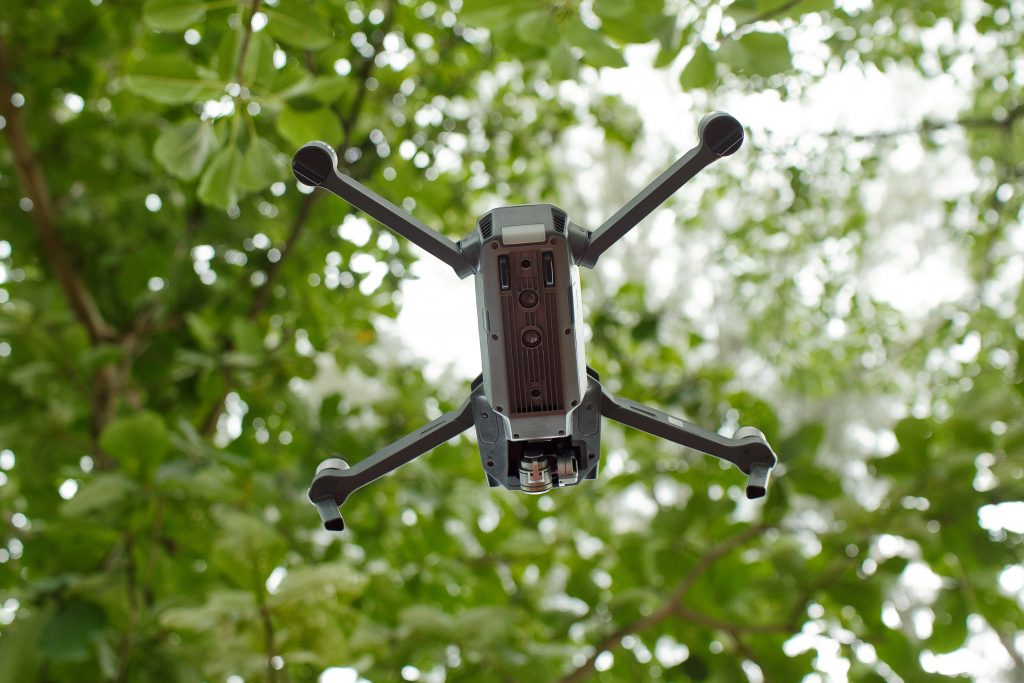
Drones add cinematic scale to destination wedding filming, but they also introduce additional travel rules. Lithium batteries, propellers, and remote controllers must be stored correctly. Most importantly, drone batteries always travel in carry on bags.
Through our wedding drone services Toronto, we follow strict safety and legal guidelines. However, when traveling abroad, we check airspace maps and no fly zones specific to the destination.
Weather conditions also matter. Coastal winds, mountain elevations, and tropical humidity can affect drone stability. Consequently, we bring backup propellers and test equipment before the wedding day. Flying with camera gear that includes aerial systems requires precision, discipline, and careful risk management.
Blending Wedding Photography and Video Abroad
Many couples booking our wedding videography and wedding photography services abroad expect seamless coordination. However, destination travel adds timing challenges. Airport delays, transportation logistics, and unfamiliar locations can reduce setup time.
To solve this, we arrive at least one day early whenever possible. That is to say, scouting locations becomes part of our workflow. We identify lighting angles, ceremony layouts, and potential backup spots in case of rain.
Flying with camera gear also means balancing weight across photo and video kits. Prime lenses, gimbals, flashes, and audio recorders must all fit within airline restrictions. Therefore, we prioritize versatile equipment that performs well in multiple scenarios. This strategy allows both photo and video coverage to remain consistent and creative, even in new environments.
The Real Cost of Flying With Camera Gear
Couples sometimes ask why destination coverage involves higher investment. The answer often lies in flying with camera gear safely and legally. Extra baggage fees, insurance extensions, permits, and backup rentals can all increase operational costs.
Meanwhile, time spent preparing documentation and packing equipment is significant. In addition, travel days reduce scheduling flexibility around other local events. However, careful planning ensures that when the wedding day begins, our focus remains fully on capturing emotion.
At Levi Weddings, we approach international events with the same dedication we bring to every celebration featured on Levi Weddings. Most importantly, couples receive the same quality and storytelling, regardless of distance.
Destination wedding filming is about more than beautiful landscapes. It is about preparation, protection, and professionalism behind the scenes. Flying with camera gear requires organization, technical knowledge, and global awareness. When done correctly, it allows us to document love stories anywhere in the world with confidence and creativity.
FAQs
1. How early do you arrive for a destination wedding?
We typically arrive at least one day before the event. This allows time for scouting, equipment checks, and recovery from travel delays.
2. Do you carry all camera gear onto the plane?
Critical items such as cameras, lenses, memory cards, and batteries travel in carry on luggage. Larger accessories may be placed in protective checked cases.
3. Are drones allowed at international weddings?
Drone rules vary by country. We always verify local aviation regulations and obtain permits when required before flying.
4. What happens if equipment is delayed or damaged?
We travel with backup gear and maintain insurance coverage. Preparation reduces risk and ensures the wedding day is still fully documented.
5. Is destination wedding filming more expensive?
Yes, additional costs can include travel, baggage fees, insurance, and permits. However, these measures ensure safe transport and professional coverage abroad.