
Planning a wedding timeline for better photos is one of the smartest steps couples can take before their big day. The way your day flows directly affects how your memories are captured, and small timing changes can make a big difference. At Levy Wedding, we often see how a well-structured schedule creates calm moments, natural emotions, and truly meaningful images.
A thoughtful timeline helps everything feel smooth and relaxed. Therefore, instead of rushing from one event to another, you allow space for real moments to happen naturally. This is exactly where great photography begins.
Start with the Light and Build Around It
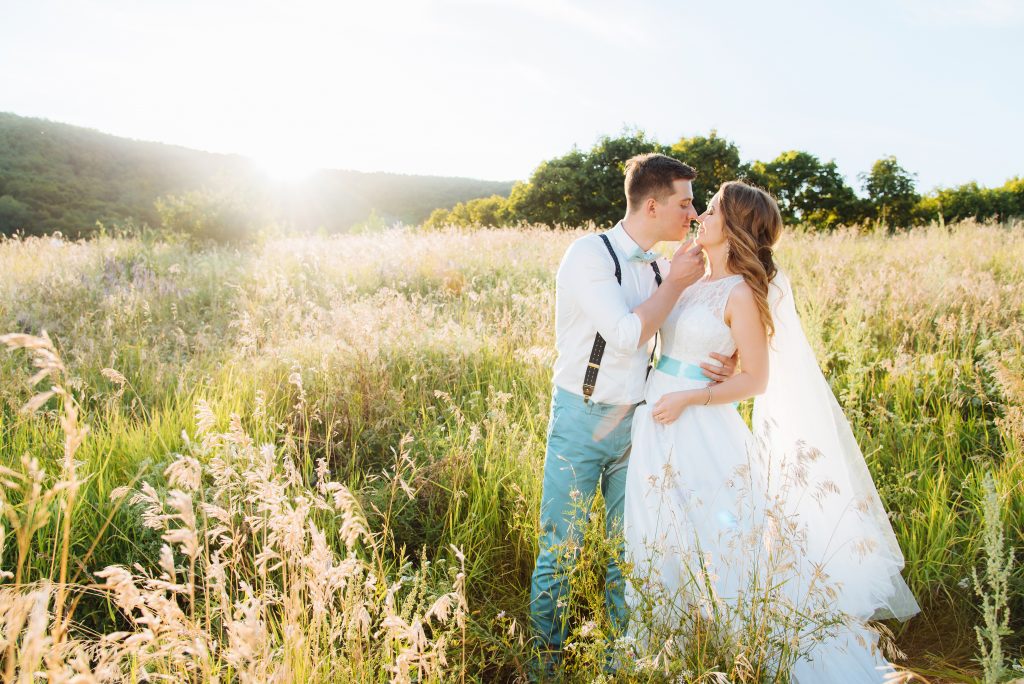
Lighting plays a huge role in how your photos turn out. For example, soft natural light during late afternoon creates warm, flattering tones that are hard to replicate. That is to say, your timeline should always consider when and where the best light will be available.
If your ceremony is outdoors, planning it closer to sunset can make a big difference. Meanwhile, indoor weddings benefit from scheduling portraits near windows or earlier in the day when light is stronger. A strong timeline allows both your wedding photography and overall experience to align with natural lighting conditions.
As a result, your photos will feel more natural and timeless instead of overly staged or harshly lit.
Allow Time for Getting Ready Moments
The getting ready portion of your day often holds some of the most emotional and personal moments. However, many timelines underestimate how long this part actually takes. Hair, makeup, outfit details, and quiet interactions all need space.
Firstly, plan at least 2 to 3 hours for getting ready coverage. In addition, keep the room clean and organized so photos look polished without extra effort. Small details like dress shots, accessories, and candid laughter all happen during this time.
Working with professionals who understand storytelling through wedding videography helps ensure nothing important is missed. Consequently, these early moments become part of your full wedding story, not just a rushed beginning.
Plan a First Look for More Flexibility
A first look is when the couple sees each other before the ceremony. While some prefer tradition, many couples now choose this option for practical reasons. For instance, it allows you to complete most of your portraits earlier in the day.
This approach creates a more relaxed timeline. As a result, you can enjoy cocktail hour and spend more time with your guests instead of taking photos later. It also gives you a private moment together, which often leads to genuine emotions.
If you are planning a destination event, this becomes even more important. A flexible schedule works especially well when coordinating travel, scenery, and timing with a destination wedding videographer. Therefore, you get both efficiency and emotional depth in your timeline.
Keep Travel and Transitions Realistic
Moving between locations always takes longer than expected. However, many timelines do not account for traffic, parking, or unexpected delays. That is to say, even short distances can affect your entire schedule.
Add buffer time between each major part of the day. For example, include at least 20 to 30 minutes for transitions, especially in busy city areas. Meanwhile, consider keeping locations close to reduce stress and maximize shooting time.
When aerial shots are part of your plan, timing becomes even more important. Working with wedding drone services Toronto requires coordination with lighting, weather, and location rules. Consequently, proper planning ensures these unique shots are captured safely and beautifully.
Build Space for Candid Moments
Not every moment should be scheduled down to the minute. In other words, leaving room for natural interactions is just as important as planning key events. Some of the best photos come from unscripted laughter, conversations, and quiet pauses.
Plan short breaks between major activities. For instance, after the ceremony or before the reception begins, allow time for guests to mingle while your team captures candid moments. This approach adds depth to your wedding gallery.
You can explore more ideas and inspiration by visiting the Levy Wedding website. Similarly, seeing real examples helps you understand how timelines shape the final result.
Coordinate with Your Vendors Early
Your photographer, videographer, planner, and venue team should all work together when building your timeline. However, many couples finalize their schedule without consulting everyone involved.
Above all, clear communication prevents delays and confusion. Share your timeline with all vendors in advance and ask for feedback. They can suggest adjustments based on experience, lighting, and logistics.
When everyone understands the plan, the day runs smoothly. As a result, you feel more relaxed, and your photos reflect that calm energy.
Plan Reception Events with Flow in Mind
The reception is where energy builds, but timing still matters. For example, speeches, dinner, and dancing should follow a natural rhythm. That is to say, avoid stacking too many events too close together.
Space out key moments like first dance, cake cutting, and speeches. Meanwhile, keep transitions smooth so guests stay engaged. This also gives your photo and video team time to capture each moment properly.
A balanced reception timeline ensures that nothing feels rushed or missed. Consequently, your memories feel complete from start to finish.
Final Thoughts on a Strong Wedding Timeline
A well-planned timeline is not about controlling every second. Instead, it creates the right environment for real moments to happen naturally. With the right balance of structure and flexibility, your wedding day becomes both smooth and meaningful.
At Levy Wedding, we always see how thoughtful planning leads to better photos, stronger emotions, and a more enjoyable experience. In conclusion, a clear timeline is one of the most valuable tools you can have for your wedding day.
FAQs
How early should we start planning our wedding timeline?
Ideally, you should begin planning your timeline at least two to three months before the wedding. This allows time to coordinate with vendors and adjust details without stress.
Is a first look necessary for better photos?
A first look is not required, but it can make your timeline more flexible. It also helps capture more relaxed and emotional photos earlier in the day.
How much time should we set aside for portraits?
You should plan at least 60 to 90 minutes for couple and group portraits. This ensures enough variety without feeling rushed.
What is the best time of day for wedding photos?
The best time is usually during golden hour, shortly before sunset. The lighting is softer and more flattering for natural-looking photos.
Can we still get great photos with a tight timeline?
Yes, but careful planning becomes even more important. A professional team can help prioritize key moments and make the most of limited time.