
At Levi Weddings, we have learned that a smooth, beautifully photographed wedding day almost always rests on one thing: a well-built wedding photography timeline. Without a plan, the day drifts, portraits get rushed and the best light slips away. With a thoughtful timeline, every moment has its place, and you get to actually enjoy your day while we capture it. This guide helps GTA couples build a timeline that works.
Why a Wedding Photography Timeline Matters
A wedding day moves quickly, and there is a lot to fit in. Getting ready, the ceremony, portraits, the reception and all the small moments between them compete for a finite number of hours. Without a plan, something always gets squeezed.
A wedding photography timeline solves this by mapping out when each photographed moment happens and how long it needs. It ensures portraits are not rushed, family photos are organised, and the key events land when the light is right. It is the backbone of a well-documented day.
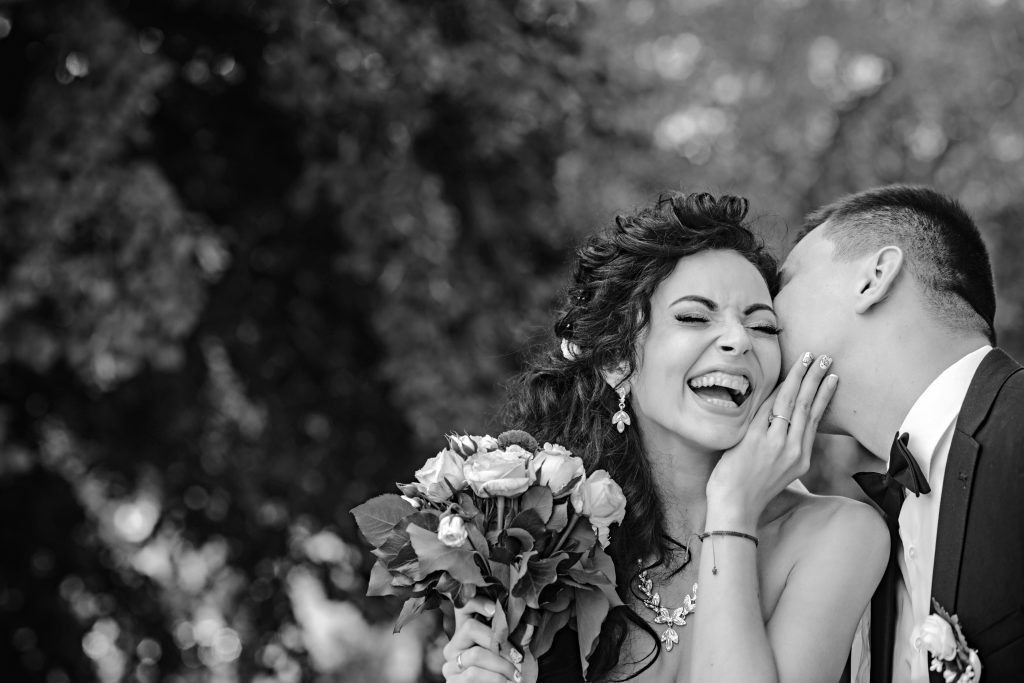
Just as importantly, a good timeline lets you relax. When everyone knows the plan, you are free to be present rather than worrying about the schedule, checking your watch, or wondering whether the photographer has what they need. The calm that a timeline brings shows in the photos. A couple who is not clock-watching looks relaxed and present, and that ease is exactly what a camera captures. The timeline, in that sense, is as much about your experience of the day as it is about logistics.
Start With the Fixed Points
Every timeline is built around the moments you cannot move. The ceremony time is the anchor, and sunset is the other. Everything else is arranged around these two fixed points, working backward and forward from them.
Knowing your sunset time is essential for planning portraits in the best light. A quick check with a tool like SunCalc gives you the exact timing for your date and venue, so you can protect that golden window within the overall schedule.
Once the ceremony and sunset are set, you can slot in the other elements with realistic durations. Our wedding photography and videography both benefit from a timeline built around these anchors.
Allow Realistic Time for Each Part
The most common timeline mistake is underestimating how long things take. Photos always take a little longer than couples expect, especially family group shots where gathering people is half the work. Generous time blocks prevent a cascade of delays.
Think through each photographed segment and give it room. Getting-ready shots, a first look if you choose one, couple portraits, wedding party photos and family formals each deserve their own window. Padding these blocks is never wasted, because photography is the one part of the day you cannot redo once the moment and the people have moved on.
Typical timeline building blocks
- Getting ready and detail shots.
- Optional first look and private moments.
- Ceremony and immediate reactions.
- Family and wedding party portraits.
- Couple portraits, ideally near golden hour.
Build in Buffers
If there is one secret to a timeline that survives contact with a real wedding day, it is buffers. Things run late. Hair takes longer, traffic intervenes, a key person wanders off. A timeline with no slack turns a small delay into lost photos.
Scatter 10 to 15 minute buffers between major segments. These small cushions absorb the inevitable delays without derailing the whole plan. When the day runs on time, you simply gain a few relaxed minutes, which is never a bad thing.
Buffers are especially important before any time-sensitive shot, like golden hour portraits. Protecting that window with a buffer ahead of it means a late reception entrance does not cost you the best light of the evening.
Coordinate With Everyone Involved
A timeline only works if the people on it know about it. Share the finished schedule with your planner, your wedding party, key family members and all your vendors. When everyone understands the plan, the day flows far more smoothly.
Your photographer is a key partner in this. We know how long each photographed moment realistically takes and can flag problems before the day. Collaborating on the wedding photography timeline in advance is one of the best investments you can make in your images. It costs nothing but a conversation, yet it prevents the single most common source of lost photos: a day that quietly falls behind until the light is gone. A timeline built together, and shared with everyone who needs it, is the quiet framework that lets the whole day feel effortless.
| Timeline risk | Consequence | Prevention |
|---|---|---|
| No buffer time | Delays cascade, shots lost | Add 10-15 min cushions |
| Underestimated photos | Rushed portraits | Allow generous blocks |
| Ignoring sunset | Missed golden hour | Plan around the light |
| Poor communication | Confusion, missed moments | Share the plan widely |
Let Your Photographer Help
You do not have to build a timeline alone. An experienced wedding photographer has done it many times and can turn your priorities into a realistic schedule. This is one of the most valuable things a professional brings beyond the camera.
Bring your must-have shots and your fixed times, and let us shape them into a plan that flows naturally and protects the light for your most important portraits. We have built many of these, and we know where the hidden time traps on a wedding day tend to hide. If you would like help building your wedding photography timeline, explore our packages and reach out early in your planning.
Frequently Asked Questions
What is a wedding photography timeline?
It is a schedule that maps out when each photographed moment happens, from getting ready to the send-off. A wedding photography timeline ensures there is enough time and light for every shot you want, so nothing is rushed or missed.
Who creates the wedding day timeline?
Usually the couple with their photographer, and often a planner. Your photographer knows how long each part realistically takes. Building the wedding photography timeline together means the day flows and the key moments all get captured.
How much time should I allow for photos?
It varies, but allowing generous buffers always helps. Couple portraits, family photos and the wedding party each need dedicated time. A realistic wedding photography timeline builds in margin so a late start does not cascade into lost photos.
What happens if the day runs behind schedule?
A good timeline has buffers to absorb delays, and your photographer will adapt on the day. The risk of no timeline is losing the light or rushing key shots. Planning ahead is what keeps a late start from costing you photos.
Plan Your Day with Levi Weddings
Levi Weddings serves couples across Toronto, Hamilton and the Greater Toronto Area. Call (289) 456-1816 or email eugene@leviweddings.ca to check your date and start the conversation. Explore our wedding services to see how we can tell your story, from the first look to the final dance under the stars.