
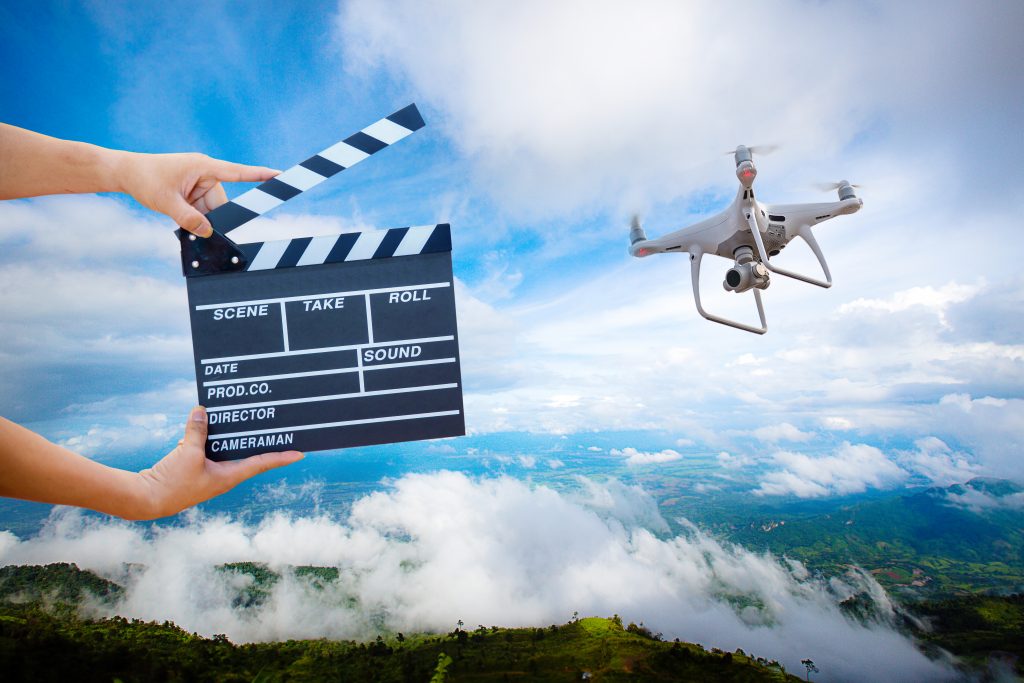
Planning the perfect drone ceremony timing can make a major difference in how your wedding film feels and flows. Drone ceremony timing should never be random or improvised. Instead, it must align with your ceremony schedule, lighting conditions, and guest movement to create seamless, cinematic coverage.
At Levi Weddings, careful planning ensures aerial footage enhances the story rather than interrupting it. When drone coverage is coordinated properly, it becomes a natural extension of your photography and videography instead of a distraction.
Why Drone Ceremony Timing Matters
Drone footage adds scale, emotion, and atmosphere. However, without proper coordination, it can clash with key ceremony moments. For example, if the drone launches during your vows, the sound may interfere with audio capture. That is why timing is everything.
When couples book professional wedding videography, aerial coverage is mapped into the timeline ahead of time. This ensures the drone is flying during wide scenic moments rather than intimate exchanges. As a result, your ceremony feels uninterrupted while still capturing breathtaking angles.
Lighting is another important factor. Drones perform best in balanced natural light, so sunset planning is essential. Scheduling aerial shots during golden hour can transform your final film with warm, cinematic tones.
Planning Drone Ceremony Timing With Your Venue
Every venue has its own layout and restrictions. Some locations require advance permission for drone use, while others may have noise considerations. Coordinating drone ceremony timing starts with understanding these details early in the planning process.
Open outdoor venues offer flexibility. Gardens, vineyards, waterfronts, and estates allow wide establishing shots before guests arrive. Meanwhile, tight urban spaces may require more precise launch timing. That is where experience makes a difference.
When working with a team that also handles wedding photography, coordination becomes seamless. The photographer and drone operator communicate to avoid overlapping angles or stepping into each other’s frames. Consequently, every shot feels intentional rather than chaotic.
If your ceremony takes place in Toronto or surrounding areas, professional wedding drone services Toronto are scheduled according to local airspace regulations. This prevents delays and ensures compliance without affecting your timeline.
Building Drone Ceremony Timing Into Your Schedule
To make drone ceremony timing effective, it must be part of your official wedding schedule. A few key time blocks are ideal for aerial footage:
Pre-ceremony venue establishing shots
Guest arrival wide coverage
Post-ceremony celebration moments
Sunset portraits
Capturing the venue before guests arrive allows for clean, uninterrupted scenic shots. After that, drones can briefly fly during guest seating if needed. However, most intimate moments — such as vows and ring exchange — are better filmed with ground cameras for clear audio and emotion.
After the ceremony, drone ceremony timing often works beautifully during confetti tosses or outdoor exits. The energy is high, and aerial coverage adds scale to the celebration. Meanwhile, sunset couple portraits provide cinematic movement and breathtaking backgrounds.
For couples planning travel celebrations, coordination becomes even more important. If you are hosting an overseas event, an experienced destination wedding videographer understands how to adapt drone timing to unfamiliar landscapes, wind conditions, and permit requirements.
Avoiding Common Drone Timing Mistakes
One of the most common mistakes is launching too frequently. While drones create stunning visuals, they should complement — not dominate — your film. Strategic flights are far more powerful than constant hovering.
Another issue is ignoring wind conditions. Strong gusts can affect stability and safety. For that reason, flexible scheduling within your ceremony timeline is helpful. Building small buffer windows allows the team to adjust drone ceremony timing without stress.
Communication also plays a critical role. Your officiant, planner, and videography team should all be aware of when aerial coverage will happen. This prevents surprises and keeps the ceremony flow smooth.
Finally, consider guest comfort. A drone flying too low or too close can distract attendees. Professional operators maintain respectful distances while still achieving dramatic visuals.
Coordinating Drone Ceremony Timing With Audio
Audio quality is one of the biggest concerns during ceremonies. Drones produce sound, even high-end professional models. Therefore, the best approach is to avoid flying directly during vows, readings, or musical performances.
Instead, drone ceremony timing is planned for wide establishing shots or transitional moments. Ground cameras capture close emotional reactions while discreet microphones record clean audio. Together, these layers create a balanced final film.
When executed correctly, the audience watching your wedding video will not even notice when aerial footage was captured. It will simply feel cohesive and cinematic.
The Final Result
Carefully planned drone ceremony timing transforms your wedding coverage into something cinematic and immersive. The key is integration — blending aerial shots with ground footage so the story flows naturally.
At Levi Weddings, coordination happens long before the wedding day. Timeline discussions, venue scouting, and communication with planners ensure drone flights are intentional. As a result, your ceremony feels uninterrupted while still benefiting from stunning overhead perspectives.
When timing, lighting, venue logistics, and storytelling align, drone footage becomes one of the most powerful elements of your wedding film.
FAQs
When is the best time to fly a drone during a ceremony?
The best times are before guests arrive, during guest seating, after the ceremony, or during sunset portraits. Flying during vows is usually avoided to protect audio quality.
Will the drone interrupt our ceremony?
When scheduled properly, it should not. Professional planning ensures drone flights happen during appropriate moments and remain unobtrusive.
Do all venues allow drones?
Not always. Some venues or city locations require permits or have airspace restrictions. Early coordination prevents last-minute issues.
How long does a drone flight typically last?
Most flights last 10 to 20 minutes depending on conditions. Strategic short flights are often more effective than extended hovering.
Can drone footage be included in destination weddings?
Yes. Experienced teams adapt drone timing to local regulations and environmental conditions, ensuring safe and cinematic coverage wherever your wedding takes place.