
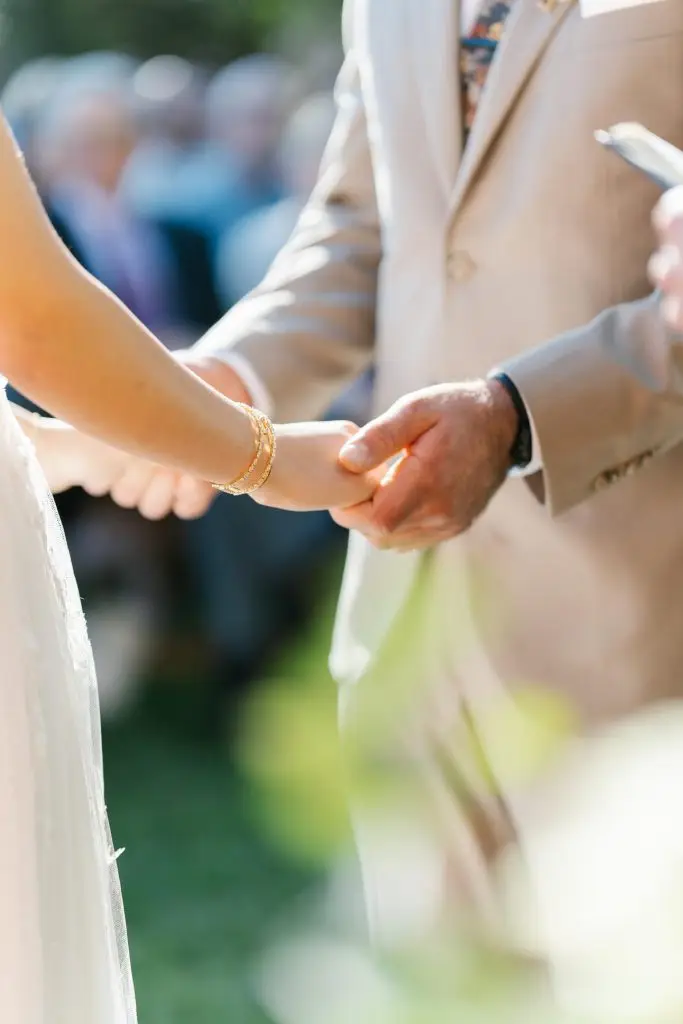
Capturing the right lighting for wedding photos is one of the most important choices we make during the planning process. It shapes the mood, affects skin tones, and even highlights the details that matter most. Lighting sets the tone for each shot and determines whether we get soft, dreamy portraits or bold, dramatic images. With the right approach, we can guide couples toward lighting that matches their style, location, and time of day.
Understand Natural Light vs. Artificial Light
Lighting can either come from natural sources like the sun or be created using artificial tools like strobes and LED panels. Each has its place depending on the style and timing of the wedding. Natural light usually creates soft, flattering images during golden hour. On the other hand, indoor venues or late-evening receptions often require artificial lighting for clarity and consistency.
The type of lighting we use depends on the couple’s schedule, venue layout, and overall aesthetic. For example, in a morning garden ceremony, we rely mostly on available daylight. However, for indoor receptions, we may bring in softboxes or bounce light off ceilings to keep the mood warm. As a wedding videographer in Toronto, we’ve seen how both styles serve different needs depending on the space and moment.
Match Lighting to the Mood of the Day
Every couple has a different vision for their celebration, and lighting should support that. Some want a bright, joyful ambiance while others prefer a more moody, romantic tone. Choosing the right style means asking what story they want their photos to tell. Soft lighting with warm tones usually adds intimacy, especially in candle-lit or rustic venues.
In contrast, crisp white lighting can highlight elegance in a formal ballroom. We always assess the vibe during the walkthrough. For romantic themes, fairy lights or lanterns can offer magical accents. For upscale events, directional lighting on floral centerpieces or the cake table can draw attention to luxury elements. Matching lighting to the couple’s theme brings their vision into focus naturally.
Plan Around the Venue’s Features
We always begin with the venue. Some places have huge windows that flood the room with natural light. Others have dark walls or high ceilings that swallow weaker lighting setups. Knowing the space well helps us avoid surprises and plan backup lighting in case the weather turns or the sun sets earlier than expected.
We study the venue’s layout, ask about dimmer options, and check where shadows fall during key moments like the first kiss or dinner speeches. When we work with a new space, we often bring in soft, mobile LED setups. This gives us flexibility without overpowering the atmosphere. To see how we work in different venues, our wedding photography service gallery offers a helpful visual range.
Learn How Time of Day Impacts Photos
Sunlight looks different in the morning than it does in the afternoon. For weddings with outdoor components, we pay close attention to where the sun will be. Morning light is soft but cooler in tone. Late afternoon light is warmer and more golden, which flatters skin tones and adds richness to fabrics.
We often suggest couples take portraits during golden hour—about an hour before sunset. This time provides warm, directional light that adds a beautiful glow without harsh shadows. In winter weddings, sunset comes early, so we adjust the schedule to catch natural light before it disappears. Knowing these time-based shifts helps us avoid flat or uneven exposure.
Choose the Right Gear for the Conditions
We carry gear suited for every kind of lighting need. Reflectors help bounce natural light onto faces in shaded areas. Off-camera flashes add drama to first dances. Continuous lights provide steady brightness for evening shots without breaking the flow. We don’t just set up one type of equipment and hope for the best.
Instead, we adapt throughout the day. Ceremony lighting is different from reception lighting. We use modifiers to soften light on close-up portraits and change angles based on light direction. Having a range of tools gives us freedom to create flattering images in every scenario. This flexibility is something couples appreciate once they see how much lighting can elevate their memories.
Consider the Impact on Skin Tones and Colors
Some lighting styles change how skin tones and dress colors appear in photos. Fluorescent lights can make everything look green or flat. Strong direct flash can wash out delicate makeup details. We test our settings to make sure complexions stay natural and warm. Our goal is to enhance features without altering the real-life beauty of the couple and guests.
During editing, we adjust white balance and contrast carefully. However, getting it right in-camera is always better. That means adjusting the environment when possible. Sometimes we turn off bright overhead lights and rely on smaller accent lighting. Other times, we bring in warm filters to tone down cold venue lighting. These small decisions make a noticeable difference in the final gallery.
Avoid Common Mistakes With Harsh or Uneven Lighting
Unbalanced lighting can ruin a great composition. For instance, backlighting during a ceremony can turn the couple into silhouettes if we don’t expose correctly. Spotlights on a speaker but not on the couple may leave half the photo too dark. We avoid these mistakes by preparing for every segment of the day and placing lights accordingly.
During receptions, we often move light sources depending on what’s happening. First dances need soft coverage that doesn’t blind anyone. Speeches benefit from side lighting that avoids harsh facial shadows. A thoughtful lighting plan keeps each photo usable and enjoyable without heavy post-processing. Mistakes are easier to prevent than fix.
Ask for Lighting Tests and Previews
Before the big day, we offer lighting tests during engagement shoots or venue walkthroughs. This helps the couple understand how light changes their appearance and which styles they prefer. It also helps us make location decisions for key shots, like couple portraits or family formals.
Seeing how the lighting works ahead of time builds trust and reduces stress on the wedding day. It gives couples a chance to say what they like and ask questions. We sometimes bring sample images or run short test videos to show how certain angles catch the light. These previews make decision-making easier and more collaborative. For details about how we prepare, our wedding videographer in Toronto services page outlines more.
Collaborate With Your Photographer or Videographer
Open communication between the couple and the creative team makes lighting decisions smoother. We ask what their priorities are and walk through the timeline together. If they want sunset photos, we schedule them accordingly. If they want candlelight ambiance, we test how it looks through the camera before the event.
We also coordinate with other vendors. DJs often bring lighting setups that can clash with our equipment. Venues may dim the lights too early, which affects the footage. Working together helps us avoid issues and find the right balance between ambience and visibility. Great lighting results from teamwork, not luck.
Think About Lighting for Both Photos and Video
What works for still photography doesn’t always look great on video. Photos can freeze a moment with flash, but video needs continuous lighting that looks good over time. We choose setups that serve both needs. For example, we avoid flickering bulbs and overly colorful DJ lights that might distort footage.
In our workflow, we use consistent lighting so both photo and video match in quality and mood. This way, the couple gets a cohesive collection, no matter the medium. We may adjust power levels, lens settings, or camera positions to ensure clean results. These details matter, especially for indoor venues where light sources vary widely.
Use Lighting to Highlight Details
Lighting can guide the eye to what matters most. During setup, we focus light on the cake, table decor, or personalized signage. During the ceremony, we light the altar gently to keep focus where it belongs. During speeches, we position lights to highlight the speaker while still capturing the audience’s reaction.
These choices help tell the full story of the day. It’s not just about brightening a space—it’s about showing what’s important to the couple. Every wedding has unique features worth highlighting. Whether it’s a hand-sewn veil or handwritten vows, light helps us showcase those details clearly and meaningfully. To ask us about these lighting strategies, visit our wedding photography contact page.
FAQs
What lighting works best for outdoor weddings?
Soft natural light during golden hour usually works best. Shade is also helpful when the sun is high, as it avoids harsh shadows.
Do we need to rent special lighting for our venue?
Not always. We assess the venue and bring lighting if needed. In some cases, existing lighting is enough with small adjustments.
How do you handle bad lighting in dark venues?
We bring portable lighting setups that we can move and adjust. These help us create flattering light even in very dim conditions.
Can we choose a lighting style ahead of time?
Yes. We often preview lighting styles during engagement sessions or walkthroughs. This helps couples decide what feels right.
Will lighting affect our skin tone or dress color in photos?
It can. That’s why we adjust light temperature and direction to keep skin tones warm and fabrics true to color.