
Lighting determines whether wedding photos look beautiful or disappointing. Yet most couples don’t understand lighting’s impact until they see their final images. By then, it’s too late. The ceremony happened. The venue’s poor lighting became permanent.
Professional photographers spend years mastering light. They understand how different light sources affect skin tones, shadows, and overall mood. They bring equipment and techniques amateur photographers never consider. This expertise separates stunning images from mediocre ones.
Indoor venues present the biggest lighting challenge. Typical reception halls have overhead lights creating harsh shadows under eyes. Warm-toned lights shift all photos toward orange or yellow. Mixing light sources creates color chaos—some lights appear blue while others look orange. Professionals navigate this complexity. They bring flash systems, light modifiers, and correction techniques. Your photos come out beautifully despite terrible venue lighting. Amateur photographers surrender to bad light. They deliver flat, color-shifted images nobody loves.
Furthermore, professional lighting expertise in wedding photography includes understanding the science. Professionals know that direct overhead light needs fill flash to eliminate shadows. They understand that tungsten-balanced lights need gels. They recognize that mixing light types requires white balance adjustment. Your friend with a camera doesn’t know any of this. She just shoots and hopes.
Outdoor ceremonies present different challenges. Midday sun creates blown-out exposure and unflattering shadows. Backlighting creates silhouettes. Cloudy days require light management techniques. Professionals time outdoor photography for golden hour when light naturally flatters skin tones. They position subjects to use natural light beautifully. They bring reflectors and fill light when needed. Everything looks magazine-quality. Amateur photographers shoot whatever light exists and hope for the best.
Moreover, cinematic wedding videography demands even more sophisticated lighting understanding. Video requires consistent lighting throughout movement. Professionals manage light color and intensity as videographers move through spaces. They understand how camera sensors handle different light temperatures. They know which lenses perform best in low light. These technical decisions create footage that looks professional rather than like home video.
Reception venues demand dynamic lighting management. Dance floors have different lighting from cocktail areas. Cake cutting happens under different conditions. Toasts occur in varying light. Professional photographers adjust settings constantly. They know when to use flash, when to increase ISO, when to adjust shutter speed. They maintain image quality despite constant lighting changes. Amateur photographers struggle with each change, delivering inconsistent results.
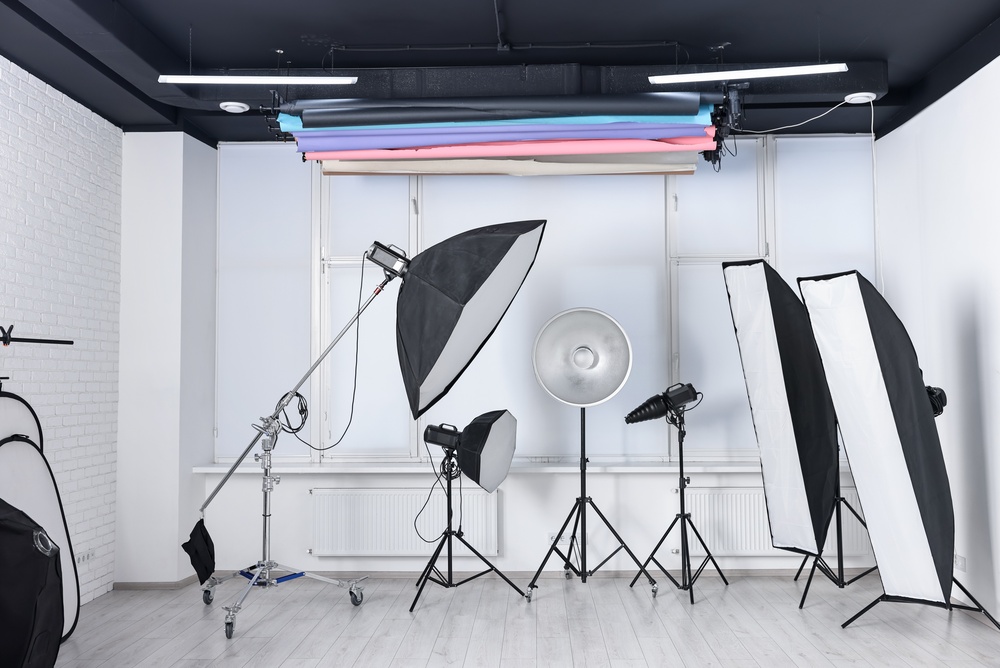
Additionally, photography and videography packages from professionals include lighting investment most couples don’t realize. Professional setups include dedicated flash systems, light meters, diffusers, reflectors, and backup lighting. This equipment investment enables the quality couples expect. Your friend’s one flash and one lens can’t deliver comparable results.
Artificial lighting requires specific knowledge. Reception halls with deep colors need different lighting than bright white venues. Colored uplighting needs adjustment to avoid color-casting skin tones. Mood lighting that looks beautiful to the eye creates technical challenges for cameras. Professionals solve these problems through technique. They expose correctly despite colored lighting. They manage white balance. They prioritize subject quality over environmental lighting effects.
Furthermore, churches present unique lighting challenges that professional lighting expertise in wedding photography handles specifically. Stained glass windows create color casting. High ceilings create distant, harsh light. Dark wood interiors absorb light. Professionals understand church-specific solutions. They use appropriate flash settings, positioning, and angles. Your friend will deliver dark, cold, color-shifted church photos. Professional images will look warm and inviting despite the difficult venue.
Skin tone management matters more than couples realize. Poor lighting makes skin look washed out, sallow, or unflattering. Professional lighting flatters everyone. It reveals skin texture beautifully. It creates dimension without harshness. Levi Weddings uses lighting techniques that make every person look their absolute best. This matters for your confidence seeing yourself in photos.
Additionally, aerial perspectives with drone photography require specific lighting understanding. Drones capture entire scenes from above. Ground lighting that looked acceptable becomes visible in drone shots. Professionals understand how lighting translates to aerial perspectives. They plan lighting that photographs beautifully from every angle.
Editing can’t fix lighting mistakes completely. While post-production improves images, fundamental lighting problems create limits. Over-exposed images lose detail. Under-exposed images get grainy. Color-shifted images look wrong no matter how much editing happens. Professional lighting prevents these problems from occurring. You get images that look beautiful even minimal editing.
Moreover, destination wedding photography solutions demand expert lighting management. Tropical venues have harsh midday sun. Beach ceremonies have reflective sand creating exposure challenges. International resorts have unfamiliar venue lighting. Professionals adapt their lighting expertise to new environments immediately. Amateur photographers struggle because they lack the experience to problem-solve quickly.
Invest in professional photography specifically because of lighting expertise. That investment directly translates to beautiful images regardless of venue challenges. You could hire the most talented composer for a wedding, but if the camera operator doesn’t understand lighting, images disappoint. Levi Weddings invests in lighting mastery so your photos are stunning always.
FAQs
Q: Why does venue lighting matter so much if photographers edit images afterward?
Good lighting prevents problems. Editing can’t fix fundamental lighting failures like blown-out exposure or extreme color-casting. Professional lighting creates good raw images that need minimal editing. Poor lighting creates damaged images that editing can’t fully repair.
Q: Can flash solve all indoor lighting problems?
Flash helps significantly, but incorrectly used flash creates worse results. Flash needs diffusion, positioning, and power management. Professional photographers understand flash technique. Amateur photographers often create harsh shadows or blown-out foregrounds with direct flash.
Q: Why is outdoor afternoon light considered problematic if it’s bright?
Bright midday sun creates harsh shadows and unflattering skin tone. Golden hour (hour before sunset) creates flattering, warm light. Professional photographers time sessions for golden hour. Amateur photographers shoot whenever convenient, delivering less flattering results.
Q: Do modern cameras handle low light better, eliminating lighting concerns?
Modern cameras handle low light better than older models, but lighting still matters. Low-light capability allows faster shutter speeds but increases image noise. Professional lighting prevents the need for excessive noise-reduction that reduces image detail.
Q: Should I request my photographer bring extra lighting equipment?
Yes. Professional lighting equipment is standard, not extra. Professionals automatically bring flash, diffusers, reflectors, and sometimes supplemental lighting. You should expect professional lighting as standard practice.